
The World's Most Expensive Security Blanket
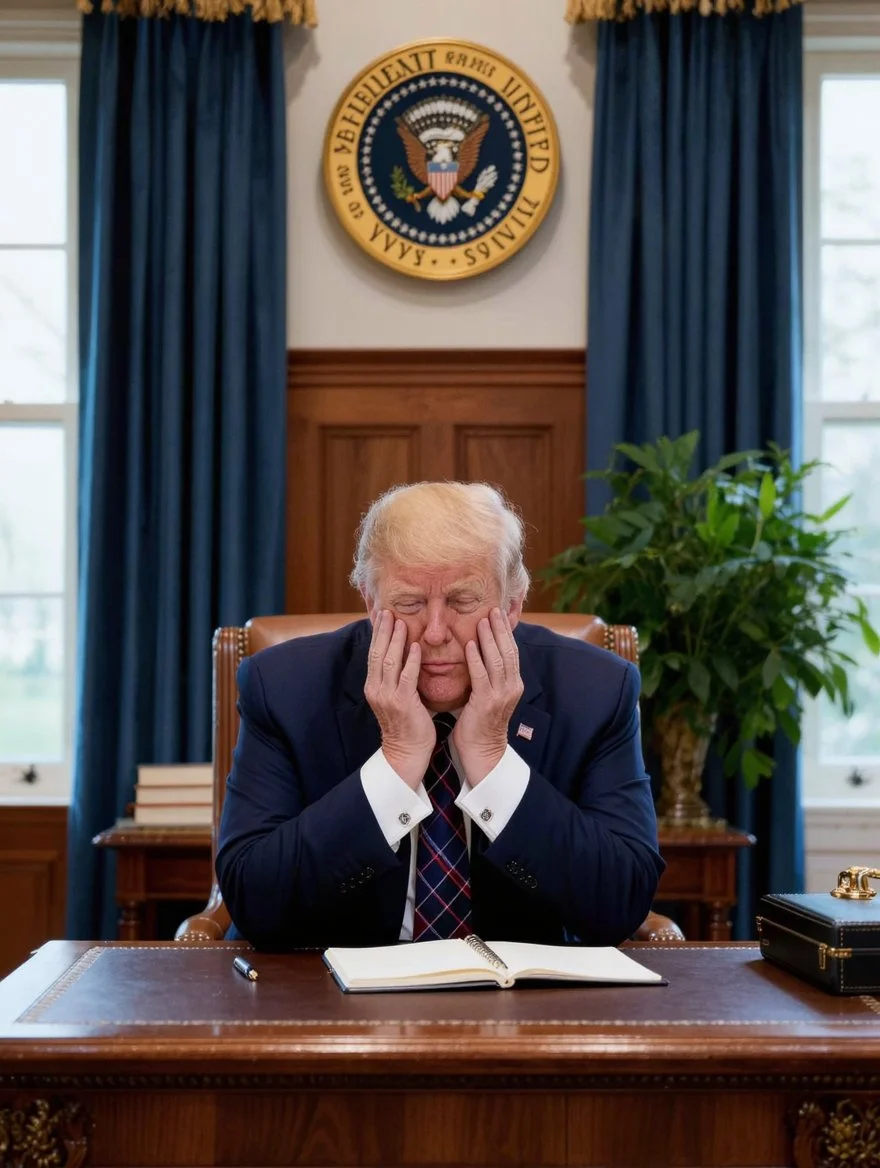
08:00 PM PST (July 17, 2026) - N.S. EIC
Donald Trump has spent nearly six years trying to convince America that he didn't lose the 2020 election. At this point, the campaign resembles less a legal argument and more a man insisting the casino cheated him because the slot machine refused to appreciate his greatness.
The facts have been painfully unromantic. More than 60 lawsuits challenging the election either failed or were dismissed. Republican and Democratic election officials alike certified the results. Trump's own Justice Department found no evidence of fraud on the scale needed to overturn the election. Recounts in closely contested states confirmed Joe Biden's victories. Independent audits, federal agencies, and judges, including many appointed by Trump himself, arrived at essentially the same conclusion: he lost.
Yet the story refuses to die, largely because its chief narrator refuses to let it.
Trump has treated the election like a golfer who misses a three-foot putt, then demands an FBI investigation into the slope of the green. Every new interview, rally, or social media post offers another variation of the same refrain: somewhere, somehow, someone must have stolen what was obviously destined to belong to him.
This persistence would be admirable if it weren't attached to a claim that repeatedly collapses under scrutiny.
It's tempting to believe the endless recycling of election fraud claims is about strategy, and certainly there are political incentives. Casting yourself as the victim of a vast conspiracy is an effective way to keep supporters energized and fundraising emails flowing. But there's another explanation that requires far fewer moving parts: accepting defeat is difficult, especially for someone whose public image has always depended on the appearance of winning.
Trump has built a brand around being the ultimate victor. Winners don't lose casinos. Winners don't lose negotiations. Winners definitely don't lose elections, unless, of course, the rules were unfair, the referees were crooked, the scoreboard malfunctioned, and perhaps the weather was biased.
It's the political equivalent of insisting the dog ate your Electoral College.
What makes the saga remarkable isn't merely that the claims have been debunked countless times. It's that the alleged conspiracy must grow larger every year to explain why virtually every institution, including Republican governors, conservative judges, state election officials, and members of Trump's own administration and failed to uncover the fraud that supposedly determined the presidency. The theory requires an ever-expanding cast of accomplices while producing remarkably little evidence.
Recently, Trump has again pointed to newly released documents as vindication. But reviews by independent fact-checkers found the documents did not substantiate his central claim that widespread fraud altered the outcome of the 2020 election. They highlighted election security concerns and foreign intelligence activities that had already been examined for years without changing the conclusion that there is no evidence the election result itself was stolen.
Perhaps that's the real lesson.
Most politicians eventually move on from a loss. They write memoirs, blame campaign consultants, or quietly convince themselves history will vindicate them. Trump instead transformed electoral defeat into a permanent emotional support narrative, one that asks millions of Americans to suspend disbelief so that one man never has to utter the three most difficult words in politics: "I was beaten."
For someone who marketed himself as the embodiment of strength, that's an astonishing amount of effort devoted to protecting one extraordinarily delicate ego.